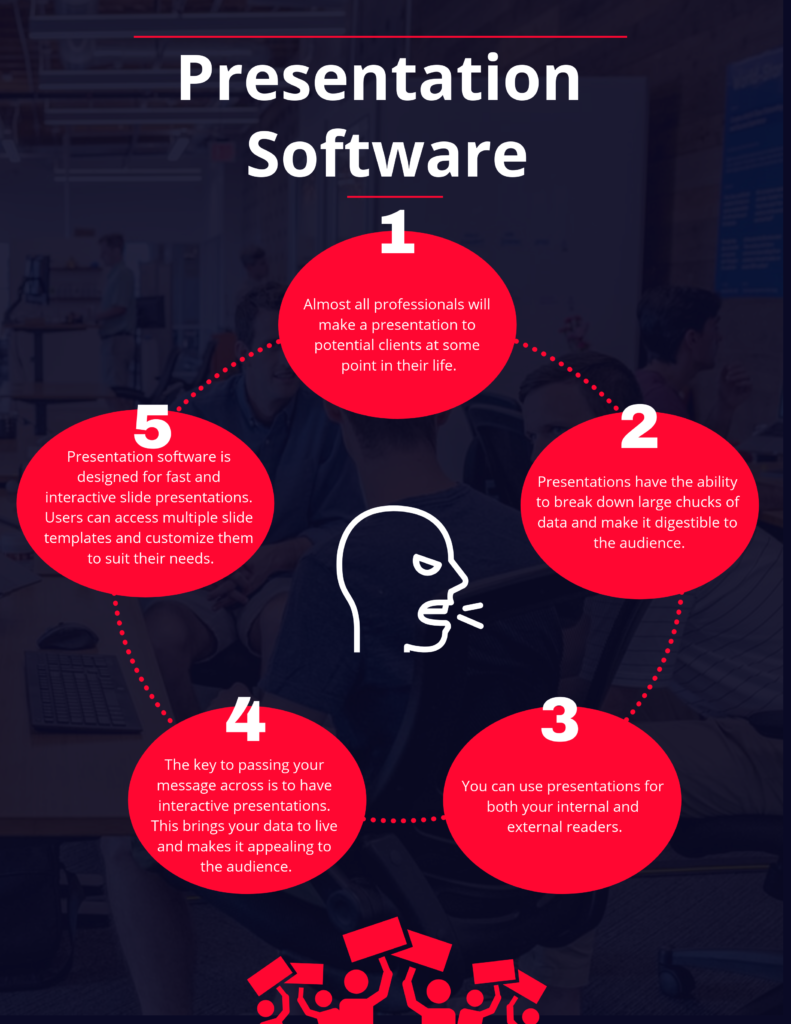
Top 5 Techniques for Crafting Captivating Presentations
Creating a compelling presentation requires a blend of technique and creativity. Here are the top 5 techniques you can use to captivate your audience:
- Know Your Audience: Understanding who you are presenting to can greatly influence the content and style of your presentation. Tailor your message to the interests, expectations, and level of knowledge of your audience.
- Tell a Story: People connect with stories much more than dry data. Frame your presentation around a narrative that highlights your key points. This can include real-life anecdotes, case studies, or hypothetical scenarios that resonate with your listeners.
- Use Visuals Wisely: Engaging visuals can significantly enhance your presentation. Use high-quality images, infographics, and videos to illustrate your points but ensure they are relevant and do not detract from your message.
- Practice, Practice, Practice: Rehearsing your presentation helps you deliver it smoothly and confidently. Familiarize yourself with the content and timing to reduce nervousness and engage more effectively with your audience.
- Encourage Interaction: Involve your audience through questions, polls, or discussions to make your presentation more dynamic. This not only retains interest but also fosters a deeper connection with your content.
How to Use Visual Storytelling to Enhance Your Slides
Visual storytelling is a powerful technique that can significantly enhance your slides by conveying information in a more engaging and memorable way. Instead of relying solely on text, consider incorporating images, infographics, and videos that align with your message. For instance, using a compelling image as a background can set the tone for your presentation, while data visualizations can make complex information easier to digest. Don't forget to maintain a consistent color palette and font style throughout your slides to create a cohesive visual experience.
Another critical aspect of visual storytelling is the use of narratives to guide your audience through the presentation. Start by outlining the key points you want to cover and think of a story that connects these points. You can use a timeline format to illustrate your progression or a problem-solution structure to highlight how your ideas address specific challenges. By weaving a narrative into your slides, you not only keep your audience engaged but also help them retain the information presented, leading to a more impactful experience overall.
What Makes a Presentation Truly Engaging? Key Elements to Consider
Creating a truly engaging presentation requires a careful blend of various key elements. First and foremost, it's essential to know your audience; understanding their interests and expectations helps tailor your content to resonate with them. Incorporate visual aids such as images, infographics, and videos to complement your message and keep the audience's attention. Utilize storytelling techniques that not only highlight your main points but also evoke emotions. Engaging your audience often means making them a part of the experience, so consider strategies like interactive polls or asking thought-provoking questions to foster participation.
Another critical aspect to consider when aiming for an engaging presentation is the delivery style. Your enthusiasm and passion can significantly influence the audience's engagement. Practice good body language, maintain eye contact, and vary your tone to emphasize key messages. Additionally, incorporating humor and relatable anecdotes can break the ice and lighten the mood. Lastly, ensure that your conclusion is memorable, possibly by summarizing key takeaways and leaving the audience with a thought-provoking quote or question. By focusing on these essential elements, you can create presentations that not only inform but also inspire and captivate your audience.